Why AI for Trucking Companies Is More Than Just a Trend
The Real Shift in Freight Operations
For years, the trucking industry has been told that technology would change everything. Yet many carriers and freight brokers still rely on spreadsheets, endless email threads, and phone tag just to move a load from point A to point B. The promise of artificial intelligence often felt like a distant buzzword rather than something that could actually reduce the daily grind. That perception is finally changing, and the change is coming from a practical place: the need to handle routine tasks more efficiently without losing the human touch that keeps relationships solid.
What we are seeing now is a focused application of machine learning and natural language processing to the specific pain points of freight operations. This is not about replacing dispatchers or brokers. It is about giving them tools that cut down the repetitive work so they can focus on the exceptions, the negotiations, and the relationships that actually move the business forward. That is the core promise of ai for trucking companies done right: it should make the people who know the job better at their jobs, not make them obsolete.
Where Email Integration Changes the Game
One of the most overlooked bottlenecks in freight management is the inbox. A typical broker or dispatcher can receive hundreds of emails a day: rate confirmations, load tenders, check call updates, document requests, and tracking links. Manually sorting, reading, and acting on each one eats up hours. This is where a transportation management system with strong email integration can make a tangible difference. Instead of a person copying data from an email into a system, the system reads the email, extracts the relevant details, and creates the record automatically.
For example, when a carrier sends a check call update via email, an AI-powered TMS can parse the message, update the load status, and even notify the customer without anyone touching a keyboard. This kind of freight automation reduces the chance of a missed update and frees up the dispatcher to handle the loads that need real human problem-solving. It also means that the data flowing through the system is more consistent, which matters when you are trying to provide real-time visibility to shippers who are tired of vague ETAs.
From Quote Requests to Load Creation in Minutes
Another area where ai for trucking companies shows immediate value is in the quote-to-load pipeline. When a quote request comes in, the old way involves checking rate sheets, calling carriers, and manually entering data into a load board or dispatch software. An AI-powered system can analyze the request, match it against historical rates and available capacity, and even generate a draft load tender for the broker to review. This does not eliminate the broker's judgment, but it cuts the administrative time by a significant margin.
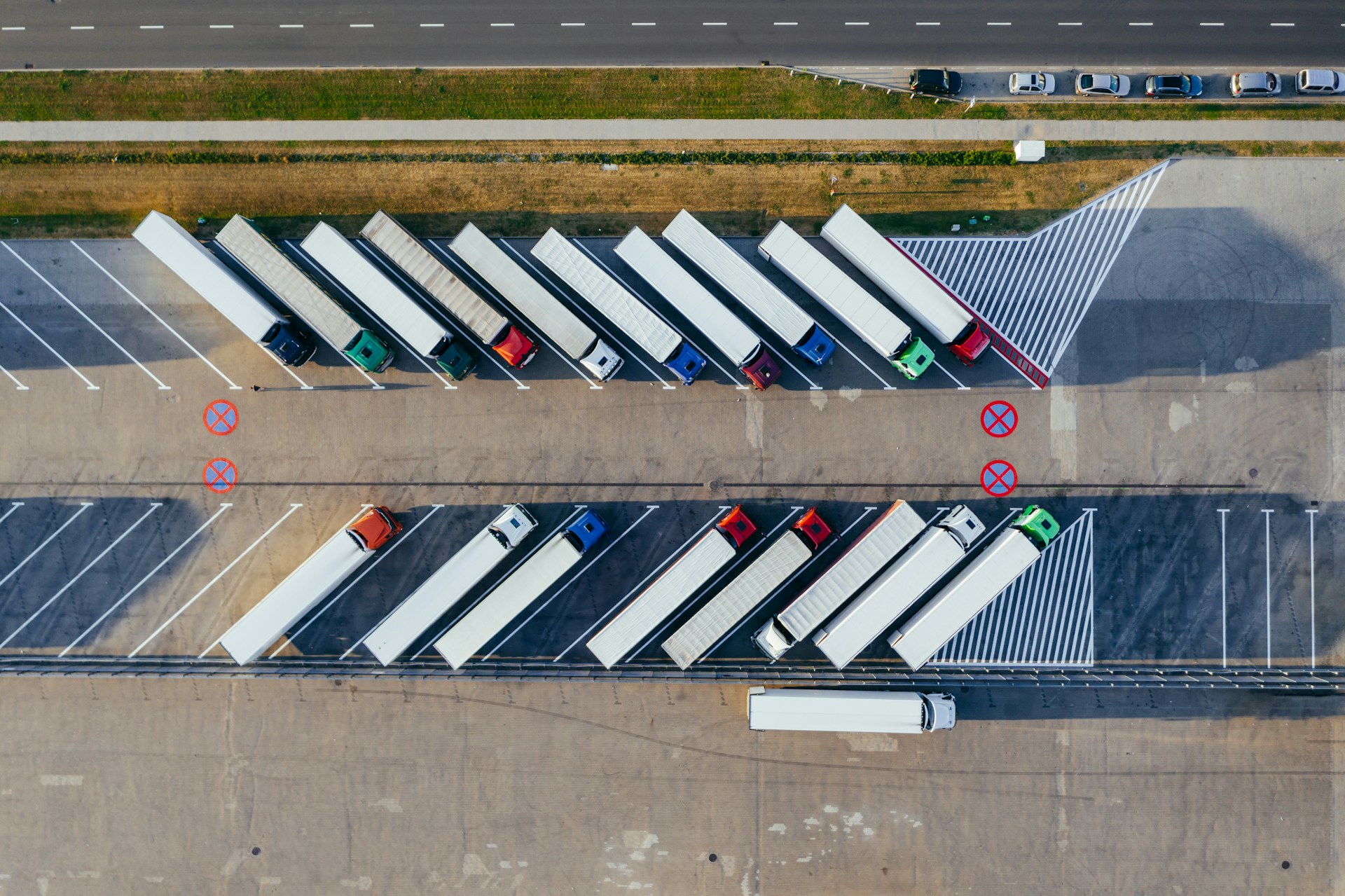
Load creation itself becomes faster. Instead of filling out fields one by one, the system can pre-populate details based on the email thread or the customer's past behavior. The broker or dispatcher just verifies and sends. This kind of automated dispatching support is especially valuable for smaller teams that cannot afford a full back-office staff. It lets them compete with larger firms by handling the same volume with fewer people, and with fewer errors.
Carrier Tracking Without the Back-and-Forth
Carrier tracking has long been a source of friction. Brokers need updates, carriers do not always have time to call, and everyone gets frustrated when the status is unclear. Modern systems address this by integrating directly with the tools carriers already use. Electronic logging devices, for instance, can feed location data into the TMS, giving brokers and shippers a live view of where a truck is without requiring a phone call. But not every carrier uses ELDs that integrate seamlessly. That is where intelligent parsing of check call emails or text messages comes in. The system interprets a simple message like "loaded and rolling, ETA 2 PM" and updates the load status accordingly.
For third-party logistics providers and freight brokers, this kind of carrier tracking capability builds trust. Shippers see accurate, timely updates, and carriers do not feel micromanaged because they are not being asked to report every move manually. The system handles the data flow, and the humans handle the exceptions.
Route Optimization and Real-Time Visibility
Route optimization has been a staple of logistics software for decades, but AI takes it further. Instead of just calculating the shortest path, modern algorithms consider traffic patterns, weather, driver hours of service, and even customer delivery windows. The result is a route that balances fuel cost, time, and compliance. When combined with real-time visibility, the system can alert the dispatcher if a truck is running behind and suggest an alternative route or a renegotiated delivery window.
This is not theoretical. I have watched a dispatcher reroute a load mid-trip because the system detected a road closure before the driver hit the backup. The driver got a new route pushed to their device, the customer got an updated ETA, and the load arrived only 20 minutes late instead of two hours. That kind of responsiveness is what separates a good operation from a great one.
Supply Chain Analytics That Actually Inform Decisions
Data is abundant in trucking, but insight is rare. Many companies sit on years of load data and never use it to improve. Supply chain analytics, when built into a transportation management system, can surface patterns that help with pricing, carrier selection, and customer segmentation. For example, a broker might discover that certain lanes consistently have higher on-time performance with a specific carrier, or that certain customers always require extra check calls. These insights can guide rate negotiations and service adjustments.

But analytics only help if they are accessible. An AI-powered TMS should present these findings in a dashboard that a manager can glance at during a morning review, not buried in a spreadsheet that takes a data scientist to interpret. The goal is to make the data work for the people who make decisions, not the other way around.
Digital Freight Matching and the Role of Load Boards
Digital freight matching has been hyped as the future of brokerage, but in practice it works best when paired with human relationships. Load boards have been the backbone of spot market capacity for years. AI can enhance them by learning which carriers are reliable on specific lanes and surfacing those matches first, rather than showing every available truck regardless of history. This reduces the time spent vetting carriers and increases the likelihood that a load gets covered without a hiccup.
For carriers, the benefit is that they receive more relevant load offers. Instead of sifting through hundreds of postings, the system presents the loads that fit their equipment, lanes, and preferred rates. This kind of intelligent matching benefits both sides of the transaction and makes the market more efficient without removing the personal negotiation that often seals the deal.
Practical Trade-Offs and Implementation Realities
No technology is a silver bullet. Implementing ai for trucking companies requires a willingness to change workflows and trust the system with routine decisions. Not every carrier or broker is ready for that. Some teams prefer the familiarity of manual processes, and that is fine. The key is to start small. Pick one pain point, like email parsing or check call automation, and prove the value before expanding.
Integration matters. A system that requires a complete overhaul of existing tools is harder to adopt than one that works alongside what people already use. That is why email integration and compatibility with common dispatch software and electronic logging devices are important. The less friction in the setup, the faster the team sees results.
Data privacy and security also deserve attention. When a system reads emails and tracks loads, it handles sensitive information. Companies should verify that their AI-powered TMS has proper encryption and access controls. It is worth asking how the vendor handles data, especially if the system learns from the data to improve its models. Some brokers and carriers are comfortable with that, others prefer more isolated data environments.
The Human Element Remains Central
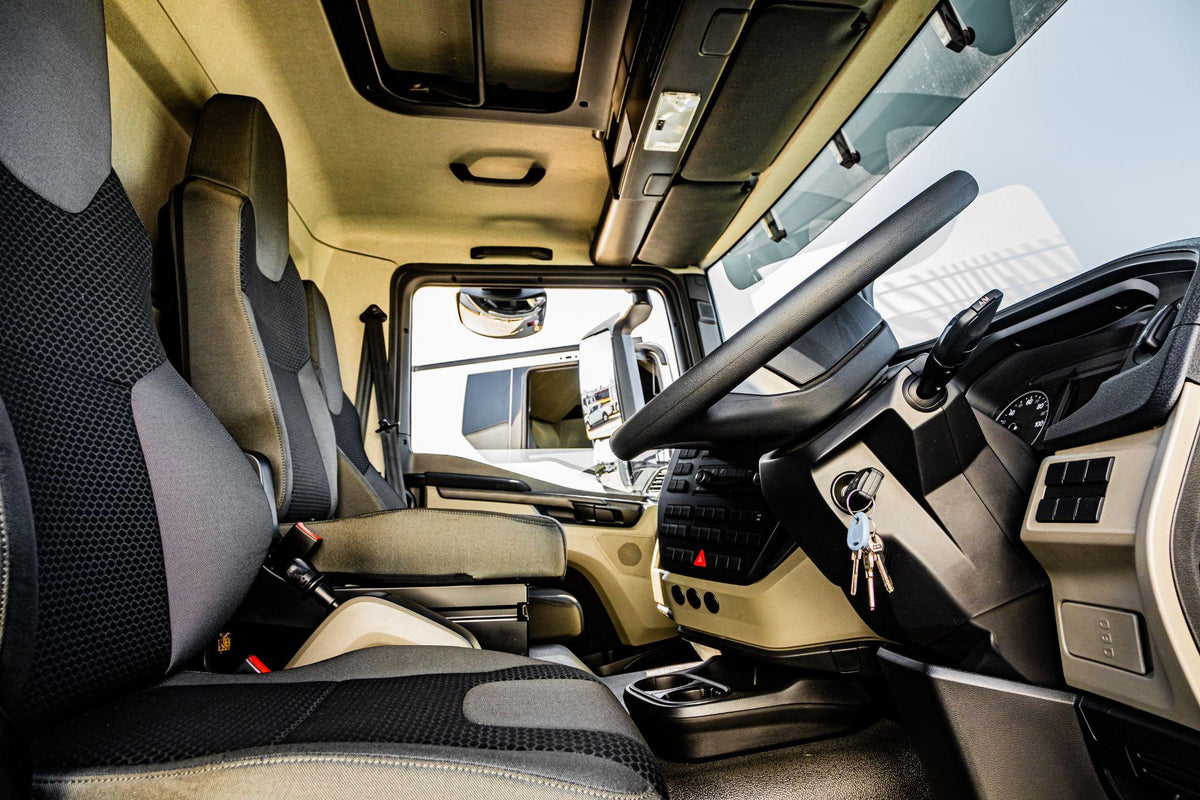
At its best, AI does not replace the dispatcher or the broker. It handles the predictable, repetitive parts of the job so that the human can focus on the parts that require empathy, negotiation, and experience. A broker who is not buried in data entry has more time to call a carrier and ask how their week is going, or to work through a tricky rate negotiation. Those interactions build loyalty and trust, which no algorithm can replicate.
Similarly, a dispatcher who is not chasing check call updates can spend time coaching drivers on safety or planning for the next week's loads. The technology should be an enabler, not a distraction. That is the difference between a tool that gets adopted and one that gathers dust.
Looking Ahead
The trucking industry is not going to be transformed overnight, but the direction is clear. Systems that combine freight automation with practical, everyday tools like email and load boards are gaining traction because they deliver measurable time savings and fewer errors. Companies that adopt these tools thoughtfully, with an eye on the human workflow, will find themselves better positioned to handle the volatility of freight markets. For anyone running a brokerage or a carrier operation, the question is not whether to explore this technology, but how to start using it in a way that makes sense for their specific team.